Entry · Ref BTOM5ZSZ
How to Support a Teen Through Wisdom Teeth Removal in Oxnard CA
- Posted
- 2026-09-28
- Last amended
- 2026-09-28
- Account
- @zioncklo098
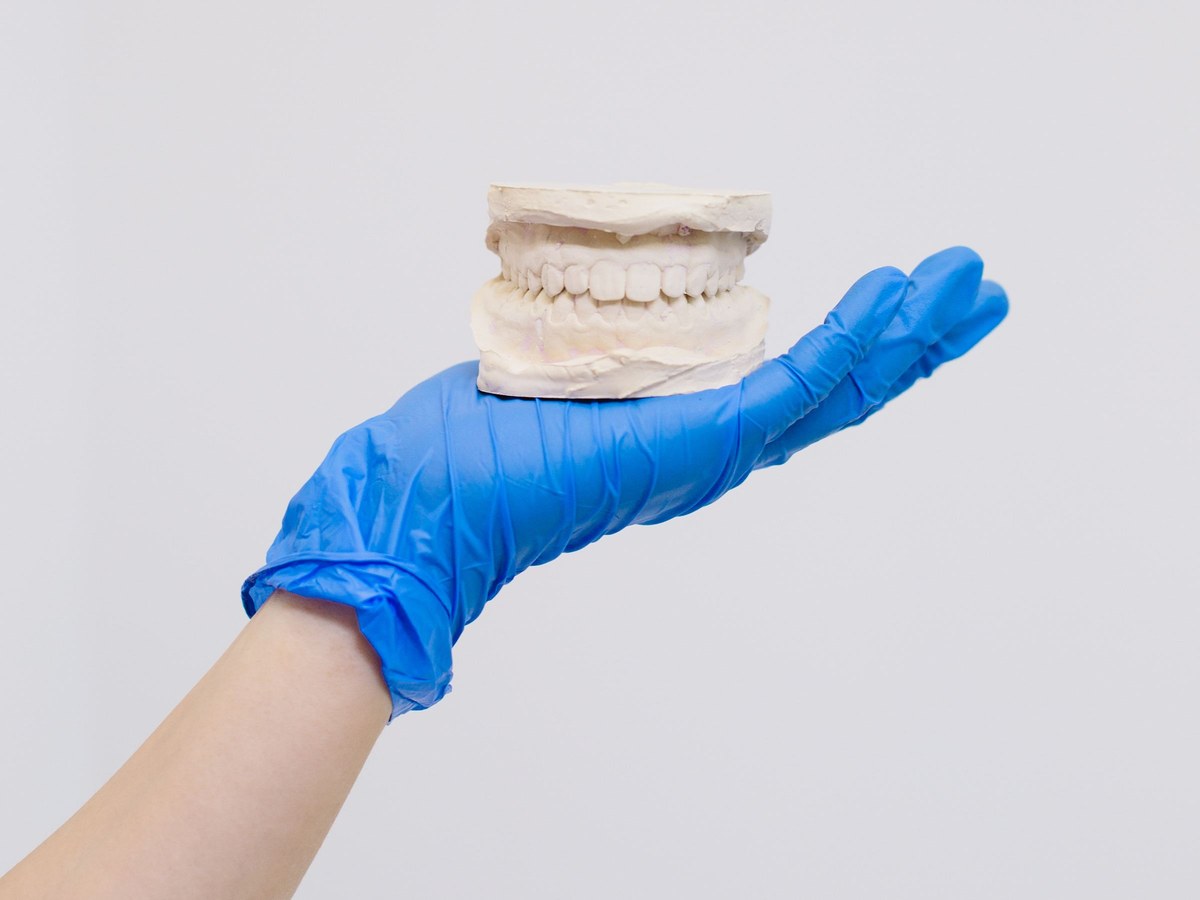
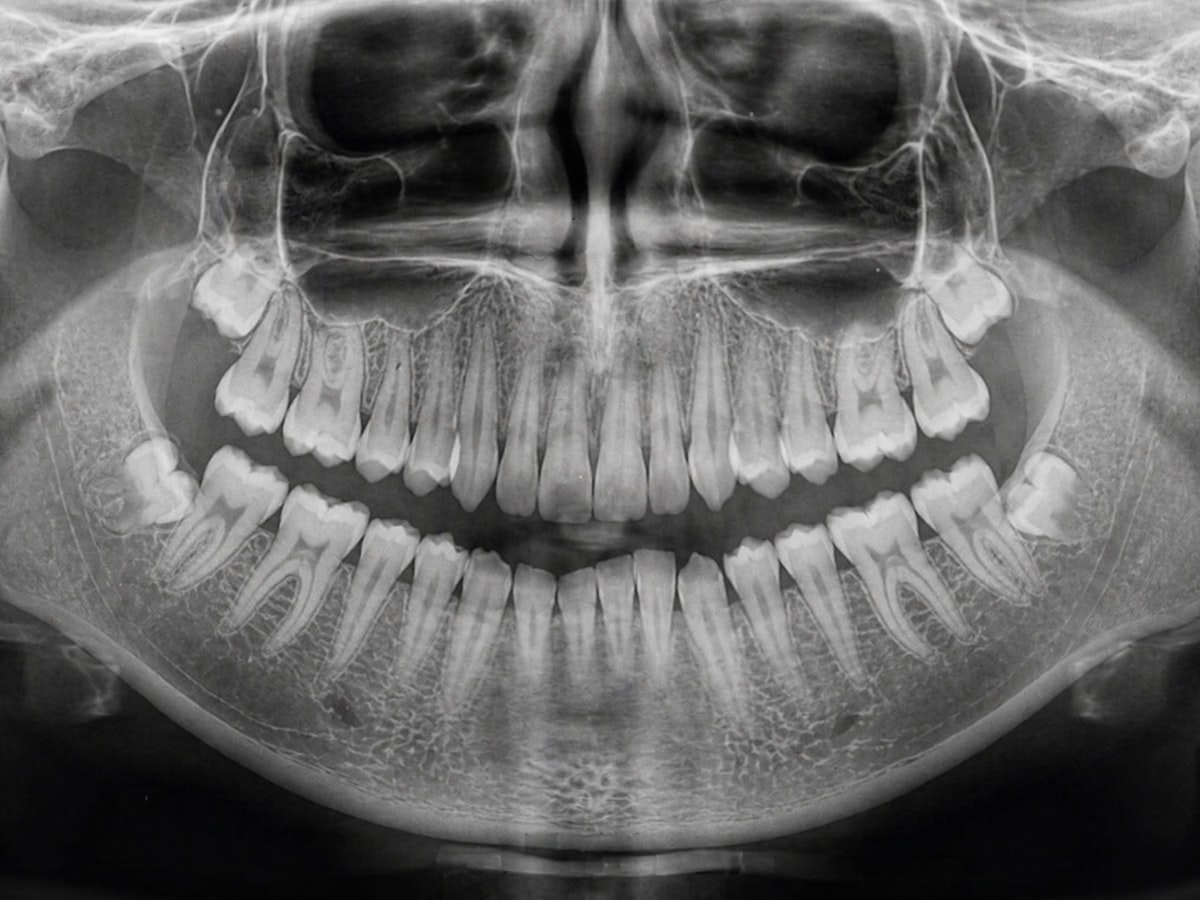
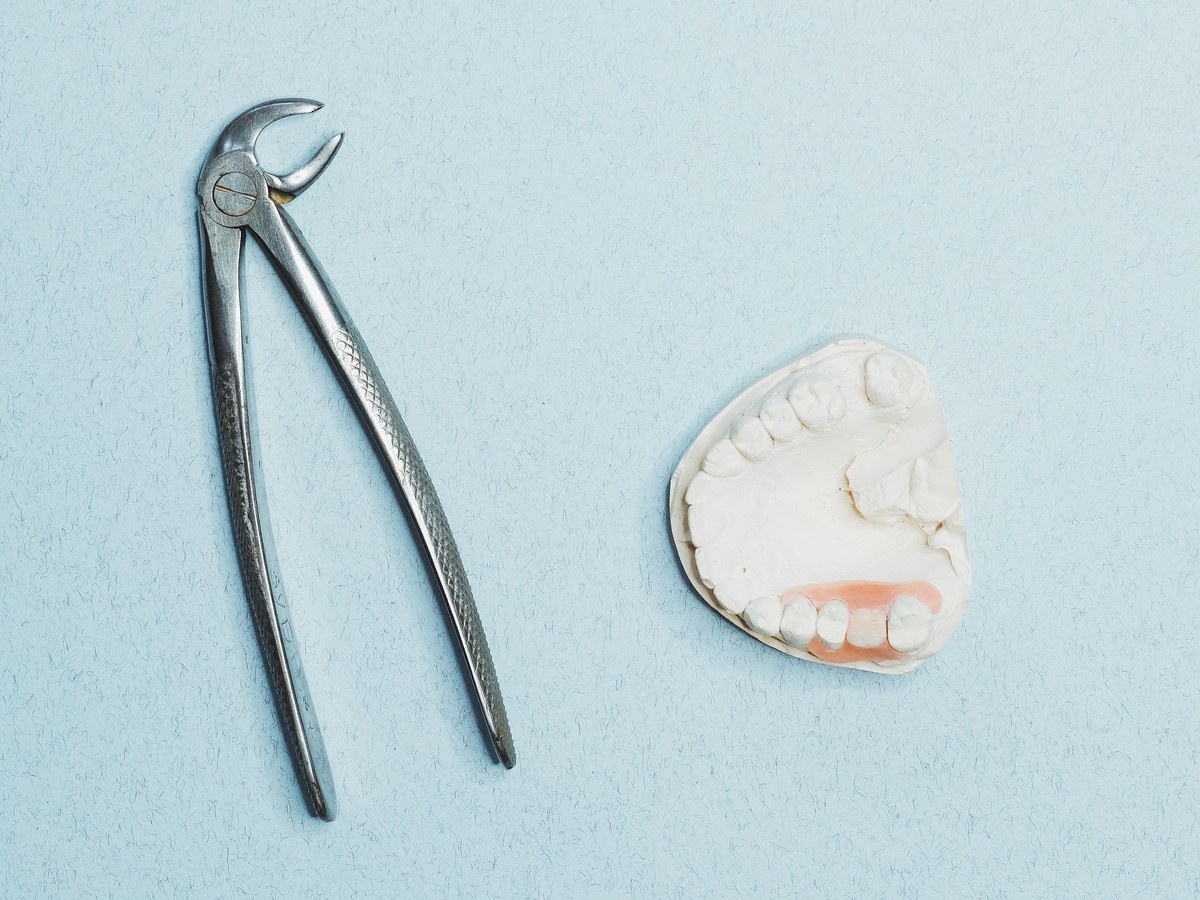
Helping a teenager through wisdom teeth removal is rarely just about the procedure. It is about timing, expectations, comfort, and patience, especially during the first forty eight hours when they are groggy, sore, hungry, and not always in the mood to cooperate. Parents often expect the hard part to be the surgery itself. In practice, the harder part is usually the stretch before and after, when your teen is anxious, you are juggling instructions, and everyone is trying to avoid unnecessary setbacks.
If you are preparing for Wisdom Teeth Removal Oxnard CA, it helps to think like both a parent and a project manager. You need the right questions answered before the appointment, a realistic recovery setup at home, and enough flexibility to respond if your teen bounces back quickly or feels rougher than expected. Every case is a little different. Some teens have fully erupted wisdom teeth and recover with moderate swelling and soreness. Others have impacted teeth, need a more involved extraction, and take longer to feel normal again.
A smooth recovery usually comes down to good preparation and small decisions made at the right time. That means planning around school, sports, meals, sleep, transportation, and your teen’s personality. A teen who handles discomfort well may still hate the temporary loss of independence. Another teen who seems relaxed beforehand may become very emotional after sedation. Both are normal.
Why timing matters more than most families expect
Parents often ask when they should schedule wisdom teeth removal. The answer depends on more than the surgeon’s calendar. Look at your teen’s real life over the next two to four weeks. If they have finals, team travel, senior photos, a big debate tournament, or an audition, those details matter. Even when recovery goes well, most teens benefit from a couple of low demand days. If the extraction is more complex, they may need longer before they feel ready for a full school day or athletic activity.
In Oxnard, many families try to line up procedures around school breaks, long weekends, or quieter points in the sports calendar. That is sensible, but it can create crowded appointment windows. If you are pursuing Wisdom Teeth Removal Oxnard CA during a busy season, book earlier than you think you need to. A rushed decision often leaves parents scrambling for pre op instructions, pharmacy pickups, and soft foods the night before surgery.
Weather and driving conditions are less dramatic in coastal Ventura County than in some other regions, but logistics still matter. If your teen will be sedated, they need a dependable adult to drive them home and stay with them afterward. Even a short drive can feel longer when your child is tired, numb, and not fully steady. It is worth clearing your schedule rather than trying to fit the pickup between meetings or errands.
Start with the consult, not with assumptions
One of the biggest mistakes families make is treating wisdom teeth removal as routine in a way that prevents them from asking useful questions. It is a common procedure, yes, but common does not mean one size fits all. The details of your teen’s anatomy, the position of the teeth, the kind of anesthesia being used, and the expected recovery timeline all shape what support they will need.
At the consultation, pay attention to more than the diagnosis. Listen for specifics. Are all four teeth being removed? Are they erupted, partially erupted, or impacted? Is the surgeon expecting a straightforward extraction or something more involved? Will your teen be awake with local anesthesia, lightly sedated, or more deeply sedated? How much swelling is typical in a case like theirs? When can they return to sports, weightlifting, band practice, or work?
These are not small points. A teen who only hears, “You’ll be fine in a few days,” may assume that means they can go to a football conditioning session in forty eight hours. A surgeon may mean something closer to, “You’ll probably be more comfortable by then, but still need to avoid strenuous activity.” Clear wording ahead of time prevents arguments later.
This is also the moment to disclose everything relevant, including medications, supplements, braces or retainers, recent illness, and any past history of anxiety around dental procedures. Teens do not always volunteer those details. Parents sometimes assume the office already knows. Ask directly in front of your teen and make sure nothing important gets left out.
Prepare your teen for the emotional side, not just the physical side
Teenagers usually want honest information, but not a dramatic buildup. They can tell when adults are minimizing something, and they can also absorb adult stress faster than most parents realize. The sweet spot is calm, direct, practical language.
Tell them what the day will likely feel like. There may be waiting. Their mouth may be numb for hours. They may feel groggy or loopy after sedation. Their cheeks may swell, and their throat may feel dry. Talking may be awkward at first. Eating normally will take time. None of that sounds glamorous, but it is much less frightening when they hear it ahead of time in a matter of fact tone.
It also helps to address a teen’s specific worries. Some care most about pain. Others care more about looking puffy, missing social plans, or saying something embarrassing after anesthesia. I have seen teens walk into surgery acting fearless, only to fixate on whether they will still be swollen for a weekend event. I have also seen athletes dismiss the procedure until they realize they cannot jump straight back into training. You will get better cooperation if you speak to the concern they actually have, not the one you assume they should have.
Set up home before the appointment day
A good recovery space does not need to look like a miniature hospital. It just needs to reduce friction. When your teen comes home, they should not have to search for a charger, find a clean pillowcase, or ask what they are allowed to eat. Comfort matters, but convenience matters just as much.
Have extra pillows ready so they can rest with their head slightly elevated. Put a towel over the pillow if you are worried about minor bleeding or drooling in the first several hours. Make sure prescribed or recommended medications are already picked up. Keep a glass, a spoon, tissues, and the post op instructions in one place. If your teen wears aligners or a retainer, ask in advance when those can go back in.
The kitchen deserves a little attention too. Soft food should be simple, bland enough for a sore mouth, and easy to eat without much chewing. Yogurt, applesauce, pudding, smoothies eaten carefully with a spoon rather than a straw if instructed, mashed potatoes, oatmeal cooled to a safe temperature, broth, scrambled eggs if tolerated, and soft pasta later on are usually practical choices. Some teens want food quickly once the sedation wears off. Others feel mildly nauseated and need a slower start. Buy options, not just one thing.
What to have ready at home
- Prescribed medications or approved over the counter pain relief, exactly as instructed
- Gauze, a clean ice pack or cold packs, and extra pillows
- Soft foods for at least two days, with a few higher protein options
- A written medication schedule so doses are not guessed when everyone is tired
- A quiet recovery spot with charger, water, tissues, and easy bathroom access
That written schedule can save a surprising amount of stress. The first night is when parents most often lose track of time and teens insist they do not need anything yet, then suddenly feel miserable. Staying ahead of pain is usually easier than trying to catch up once discomfort builds.
The ride home and the first few hours
If your teen receives sedation, expect them to be sleepy, a little confused, or unusually talkative on the ride home. Some are cheerful. Some are irritated. Some cry for reasons that make no sense. This phase tends to pass quickly, but it helps if the adult with them is calm and not peppering them with questions.
Once home, the first goals are simple: rest, protect the extraction sites, manage bleeding as instructed, begin hydration when appropriate, and start pain medication on schedule if the surgeon has recommended it. A teen who says they are “totally fine” while still numb may not be a reliable judge of what the next two hours will feel like. Follow the instructions rather than the mood of the moment.
Swelling often peaks later, not immediately. Parents sometimes worry the first evening looks manageable, only to feel alarmed the next morning when the cheeks are fuller and jaw stiffness sets in. That pattern can be normal. The first day is not always the hardest day in terms of appearance.
Pain control is part science, part timing
Most teens do best when pain management is proactive and organized. That does not mean overmedicating. It means using the plan provided by the oral surgeon carefully and consistently. When a surgeon recommends alternating medications or using one medication at set intervals, the intent is usually to maintain more stable relief.
This is where judgment matters. A teen who had an easier extraction may transition quickly to lighter medication. Another may need a fuller schedule for the first twenty four to forty eight hours. Sedation can mask how they are feeling at first, so watch function as much as words. Are they able to swallow fluids comfortably? Are they wincing when the numbness fades? Are they sleeping at all? Are they becoming more distressed rather than gradually more settled?
Nausea is a separate issue. Some teens feel queasy from swallowed blood, an empty stomach, pain medication, or the after effects of anesthesia. Small sips, bland foods, and taking medication with food when allowed can help. If nausea is persistent or severe, call the office for guidance rather than hoping it will sort itself out.
Eating and drinking without creating new problems
Hydration matters more than many teens realize. A dry mouth feels worse, and poor fluid intake can leave them weak, headachy, and more nauseated. The challenge is getting them to drink enough without doing anything that could disrupt healing. Your surgeon’s instructions take priority, especially around straws, rinsing, and when to start certain foods.
Temperature matters too. Very hot foods can be uncomfortable early on. Extremely crunchy, seedy, or crumbly foods can be a bad idea because they may irritate the surgical area or get lodged where you do not want them. Most teenagers bounce back mentally before their mouths are ready for chips, fries, pizza crust, or spicy takeout. That gap between appetite and judgment is where parents often need to be the adult in the room.
If your teen is a big athlete and worried about protein intake, think creatively but gently. Soft scrambled eggs, Greek yogurt, blended soups once tolerated, cottage cheese, and smooth mashed beans can help bridge the gap. They do not need a perfect sports nutrition plan for forty eight hours. They need healing, fluids, and enough calories to avoid feeling terrible.
Oral hygiene after surgery takes finesse
Teens tend to split into two camps after oral surgery. One group is afraid to clean anything and leaves the mouth feeling stale and unpleasant. The other gets aggressive too early because they want to feel normal fast. Neither approach is ideal.
The first day usually https://www.google.com/maps?cid=11644345336093784457 calls for restraint and careful adherence to the surgeon’s instructions. After that, gentle cleaning becomes important. Teeth still need attention, but the extraction sites need protection. When the office advises saltwater rinses or irrigation at a certain point, the timing matters. Doing too much too soon can irritate tissues. Doing too little for too long can leave the mouth uncomfortable and contribute to bad taste or odor.
This is an area where parents should not rely on vague memory. Keep the written instructions visible. If your teen is old enough to manage their own care, ask them to explain back the plan once they are fully alert. That quick conversation often reveals whether they actually understand it.
School, sports, and the pressure to return too fast
Many teens measure recovery by whether they can get back to normal plans. Parents measure it by whether there is swelling, bleeding, or pain. Both views matter, but the body gets the final say.
School return depends on energy, pain control, and how complicated the extraction was. Some teens are ready to do light homework quickly but do not have the stamina for a full day of classes, especially if they are not sleeping well. Others can attend school but should avoid tests, presentations, or long days right away because concentration suffers. If your teen is in AP classes or a demanding academic program, a planned recovery window reduces the urge to push too soon.
Sports deserve even more caution. Increased heart rate and blood pressure can worsen bleeding and throbbing. Contact risk is another issue if swelling and jaw tenderness are still present. Coaches may mean well and still underestimate the recovery demands of oral surgery. If your teen is serious about athletics, get explicit return to play guidance from the surgeon and follow it.
For families seeking Wisdom Teeth Removal Oxnard CA during a sports season, this question comes up constantly. The safest choice is usually to schedule around major competition when possible. If that is not possible, have a frank conversation in advance about the likely downtime. It is easier to accept a short break when expectations are set before the procedure.
When recovery is normal, and when it is not
A certain amount of discomfort, swelling, limited jaw opening, and mild oozing can be part of a normal recovery. The challenge is knowing when something has shifted from expected to concerning. Parents often feel uncertain here, especially if this is their first child to go through the procedure.
Watch the pattern, not just the symptom. Mild swelling that peaks and then improves is one thing. Pain that suddenly gets worse after a period of improvement is another. A low appetite the first day is ordinary. Inability to drink enough fluids is not something to ignore. A little fatigue is expected. Significant feverishness or signs of spreading infection need professional attention.
Reasons to call the oral surgeon
- Bleeding that remains heavy or does not improve with the instructions you were given
- Pain that becomes more severe instead of gradually easing
- Swelling, fever, or foul taste that seems to be worsening rather than stabilizing
- Trouble drinking fluids, repeated vomiting, or signs of dehydration
- Numbness or other symptoms that concern you beyond the expected recovery window discussed at the office
Parents sometimes hesitate to call because they do not want to overreact. Good surgical offices expect these calls. It is better to ask a reasonable question than to wait too long on a problem that needed guidance.
The teen factor, autonomy, mood, and patience
Supporting a teenager means balancing care with respect. They do not want to feel babied, but they also may not be consistent in following instructions. That contradiction is peak adolescence. If you push too hard, you get eye rolls and resistance. If you step back too far, they may forget doses, eat something foolish, or decide they are well enough to head out with friends the next day.
The practical middle ground is to give them age appropriate responsibility with light oversight. Let them keep track of hydration if they are capable, but verify. Let them text friends and choose what show to watch, but do not let them decide that tortilla chips are a soft food. If they are driving age, remind them that feeling mentally sharper does not automatically mean they are ready to resume everything at once.
Mood swings are not unusual. A teen who hates missing out may feel surprisingly low for a day or two, especially if they are swollen, uncomfortable, and bored. The easiest support is often low key presence rather than constant fussing. Sit nearby, bring fresh water, help them get comfortable, and keep conversation normal. Teenagers notice more than they admit when a parent quietly handles the details well.
Choosing support that fits your family
Some parents can be home full time during recovery. Others cannot. If work, younger children, or caregiving responsibilities make that impossible, plan coverage in advance. The key period is usually the day of surgery and the first night. A responsible adult should be available, especially if sedation is used. Beyond that, many older teens can do well with intermittent check ins if they are recovering normally and understand the instructions.
If grandparents or another caregiver are helping, give them the written plan rather than a verbal summary. Post op care goes more smoothly when everyone is using the same information about medications, fluids, food, and activity restrictions.
For local families exploring Wisdom Teeth Removal Oxnard CA, proximity can be helpful in a practical sense. Shorter travel can make the ride home easier, and local follow up is simpler if there are questions. That does not replace the importance of choosing a qualified oral surgery team, but convenience does matter when your teenager is swollen and tired in the back seat.
A few days later, what “better” usually looks like
Recovery is not always linear, but most teens start showing signs of turning the corner within a few days. They talk more comfortably, need less medication, look less puffy, and stop focusing on every sensation in their mouth. Their appetite comes back before their judgment does, which is why parents still need to steer the ship for a bit.
Better does not always mean fully normal. Jaw stiffness can linger. Energy can be uneven. The extraction sites may still require care. If your teen had impacted teeth or a tougher procedure, patience matters. Comparing their progress to a friend’s story is rarely useful because the anatomy and surgical complexity may have been very different.
The most helpful mindset is steady, not dramatic. Follow the instructions, protect the healing process, keep communication open with the office if something feels off, and remember that most teens do come through this well. Your role is not to eliminate every bit of discomfort. It is to create the conditions for a smoother recovery, catch issues early, and help your teenager move through a short but inconvenient stretch with less stress.
When families approach Wisdom Teeth Removal Oxnard CA with that level of preparation, the experience tends to feel more manageable. Not effortless, certainly, but manageable in the way that good planning often makes hard things smaller. That is usually the real win.
Oxnard Dentistry
1730 E Gonzales Rd
Oxnard, CA 93036, United States
Phone: +1 805-307-8731
FAQ About Wisdom Teeth Removal Oxnard CA
How much does it cost to get wisdom teeth removed in California?
Fees depend on tooth position, the number of extractions, imaging and anesthesia. Oxnard Dentistry can provide an individual estimate after examining your teeth. Ask for an itemized plan and confirm insurance benefits before scheduling.
Will insurance cover wisdom teeth removal?
Coverage and out-of-pocket costs vary by policy and the treatment required. Ask the dental office and your insurer to verify benefits, annual limits and any authorization requirements. A benefit estimate does not guarantee payment.
Is 30 too old to have wisdom teeth removed?
Age alone does not determine whether extraction is appropriate. A dentist evaluates symptoms, tooth position, oral health and medical history. Healthy, functional wisdom teeth may be monitored; teeth causing disease or other problems may need treatment.